
Wide-Angle Lens
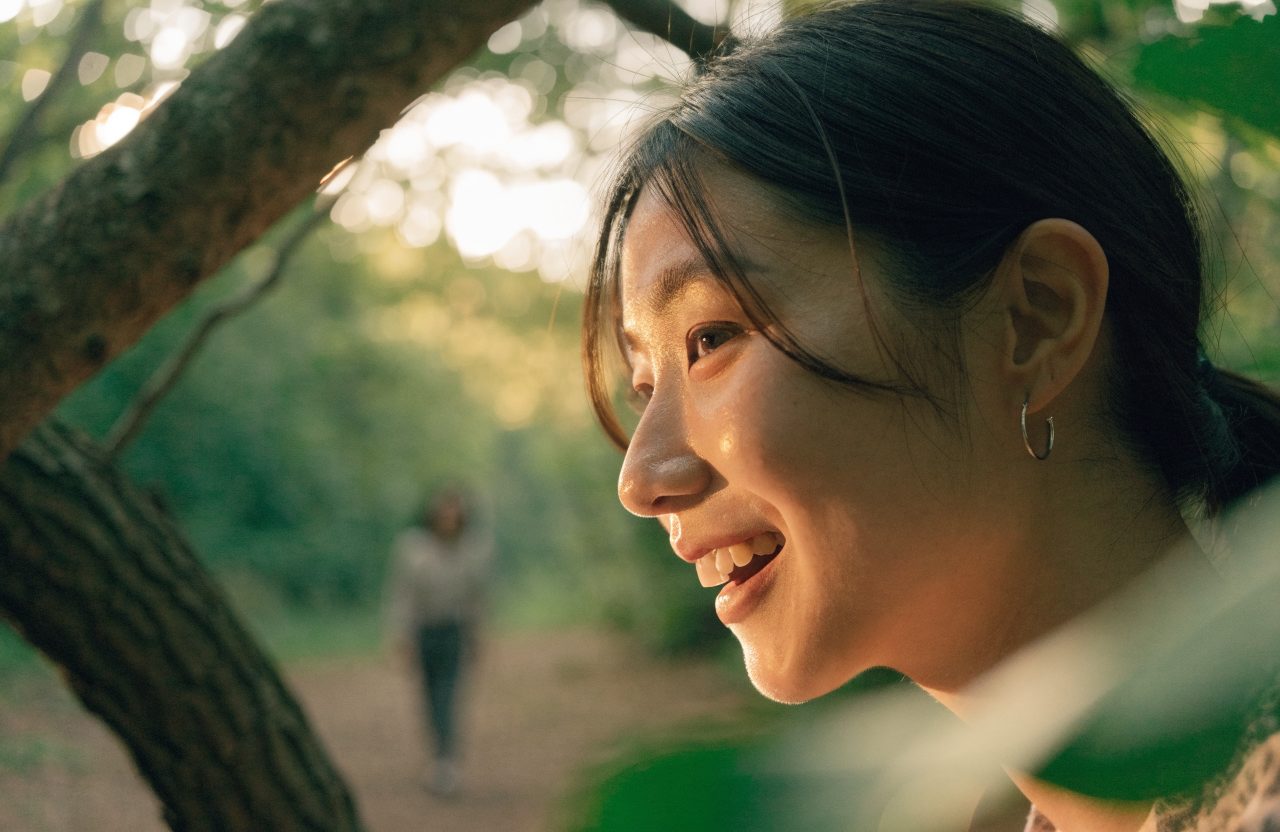
Use a broad field of view and close camera placement to intensify foreground presence and the depth around a subject.
What it does
A wide-angle lens shows a broad field of view for the chosen image format. When the camera moves close to preserve subject size, near features loom against a rapidly receding environment, producing intimacy with a strong sense of space. Emmanuel Lubezki’s work in The Revenant brings faces, bodies and hostile terrain into an unusually immediate relationship. His photography in The Tree of Life uses close wide views to make childhood perception and family movement feel exploratory and embodied. The perspective change comes from camera position, not focal length alone: swapping lenses without moving does not alter the relative scale of scene depths. Watch edges, where faces can stretch conspicuously. Avoid close wide framing when undistorted facial proportion is important, or when the expanded background introduces distractions that weaken the intended emotional focus.
The prompt
Replace [Subject] with what you are shooting. Everything else is deliberate: the gear, stock and lighting are what push a generator towards this look.
Works well in
Midjourney, FLUX, Runway
Pairs with
Point-of-View ShotGround-Level Shot
The Prompt Atlas
Every prompt here is a starting point. The Prompt Atlas is the full system: hundreds of production-ready prompts organised by outcome, with the reasoning behind each one so you can adapt rather than copy.