
Ultra-Wide-Angle Lens
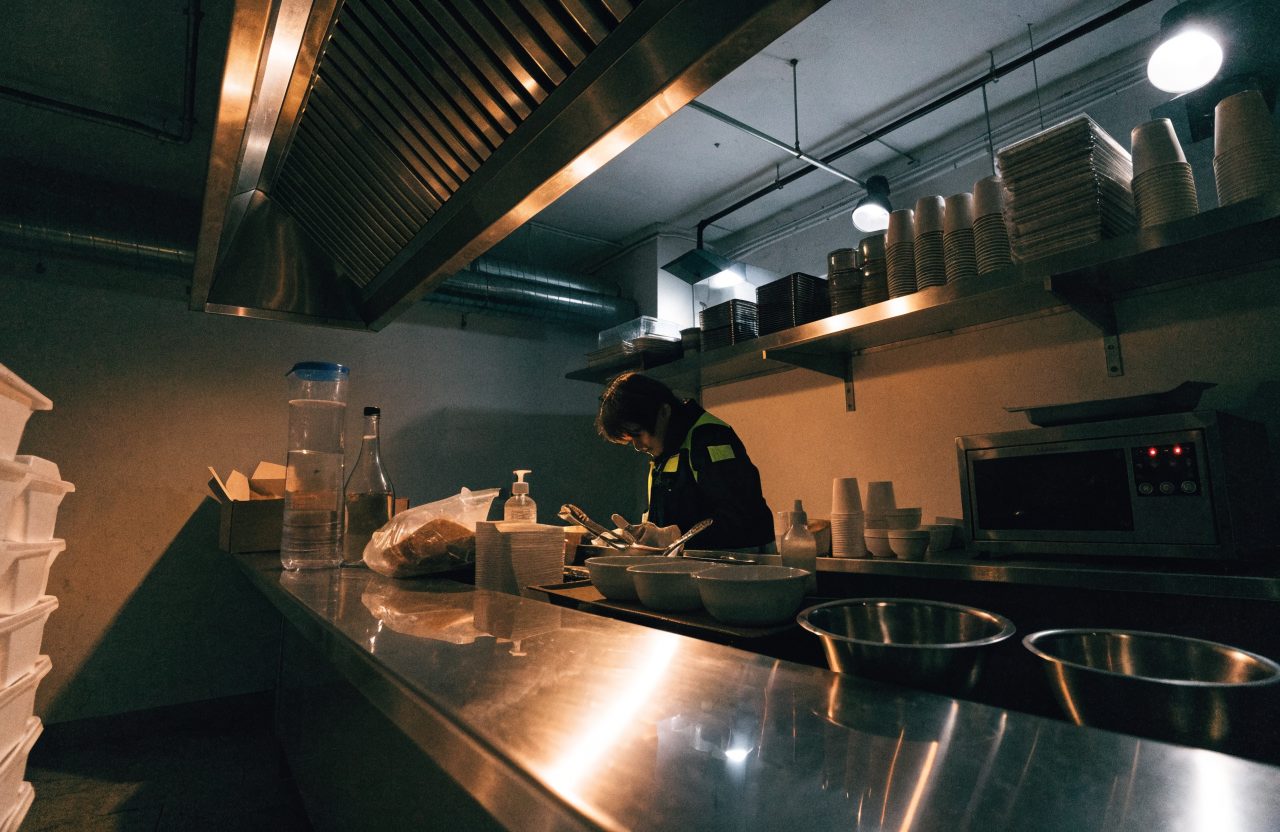
Push the field of view to an extreme to make proximity, architecture and edge stretching actively expressive.
What it does
An ultra-wide lens extends the wide-angle effect until space itself becomes a conspicuous expressive element. Close objects can dominate, edges stretch, and a small room may seem both enormous and claustrophobic. Christopher Doyle’s photography in Fallen Angels uses extremely wide views at close distances to make urban intimacy feel invasive and emotionally estranged. Robbie Ryan’s work in The Favourite uses very wide lenses, including fisheye imagery, to turn palace interiors into unstable arenas of status and appetite. Distinguish rectilinear lenses, which preserve straight lines away from optical imperfections, from fisheyes, which deliberately curve them. State which behaviour you want. Avoid treating the effect as a universal shortcut to energy, especially in scenes requiring unobtrusive faces or reliable architectural proportions. Without motivated proximity and blocking, the lens can become the only thing the audience notices.
The prompt
Replace [Subject] with what you are shooting. Everything else is deliberate: the gear, stock and lighting are what push a generator towards this look.
Works well in
Midjourney, FLUX, Kling
Pairs with
The Prompt Atlas
Every prompt here is a starting point. The Prompt Atlas is the full system: hundreds of production-ready prompts organised by outcome, with the reasoning behind each one so you can adapt rather than copy.