
Dutch Angle
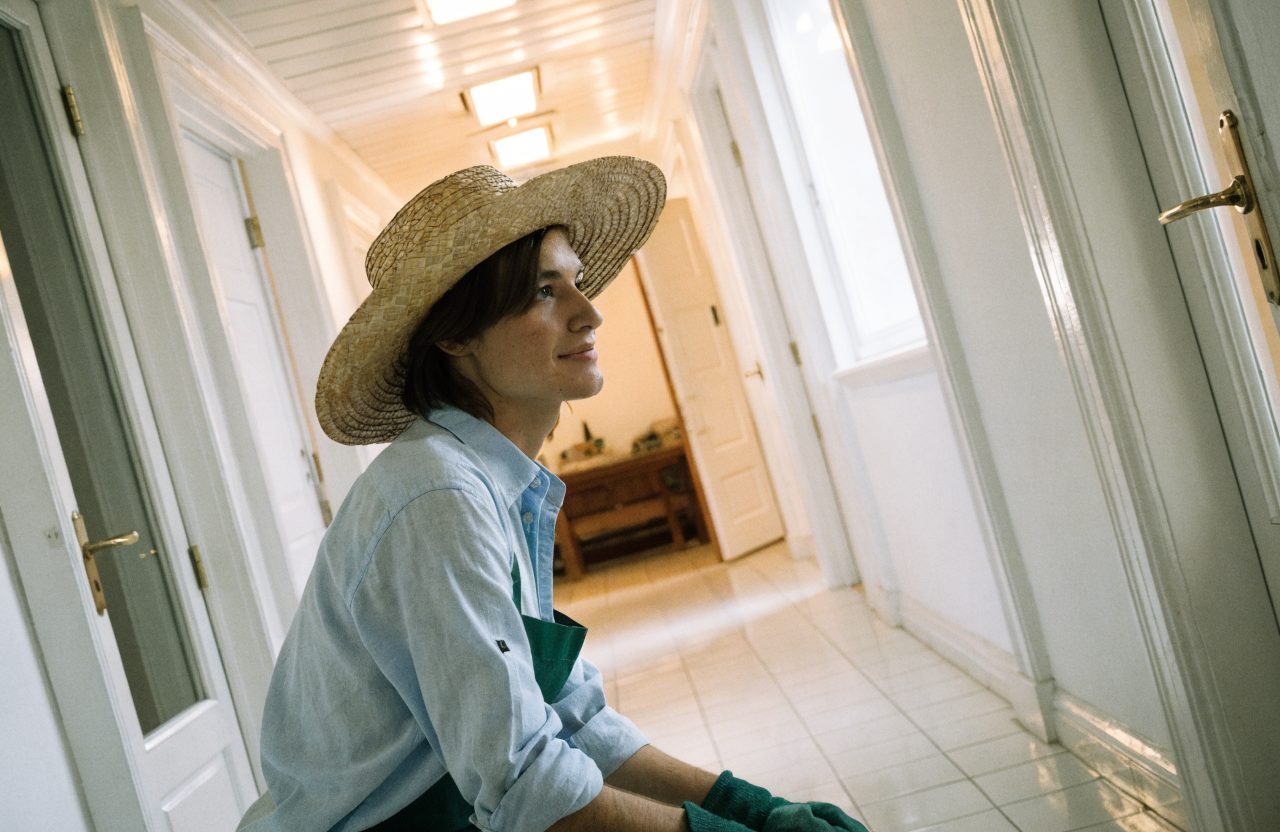
Roll the camera so the horizon tilts, unsettling the scene’s visual balance to support psychological or social tension.
What it does
A Dutch angle rolls the camera around the lens axis, tilting verticals and the horizon without changing the basic direction of the view. The disruption can make a place feel morally unreliable, emotionally pressured or physically unstable. Robert Krasker’s photography in The Third Man makes tilted compositions part of Vienna’s atmosphere of corruption and uncertain loyalties. Ernest Dickerson’s work in Do the Right Thing uses canted framing within an expressive visual language that heightens confrontation and mounting heat. The angle works best when it belongs to a larger compositional strategy rather than appearing as a generic sign of madness. Select a roll that remains readable and consider its relationship to adjacent shots. Avoid it when straight architectural geometry is needed for orientation, or when habitual tilting drains the effect of significance.
The prompt
Replace [Subject] with what you are shooting. Everything else is deliberate: the gear, stock and lighting are what push a generator towards this look.
Works well in
Midjourney, FLUX, Kling
Pairs with
The Prompt Atlas
Every prompt here is a starting point. The Prompt Atlas is the full system: hundreds of production-ready prompts organised by outcome, with the reasoning behind each one so you can adapt rather than copy.