
Fluid Steadicam Follow
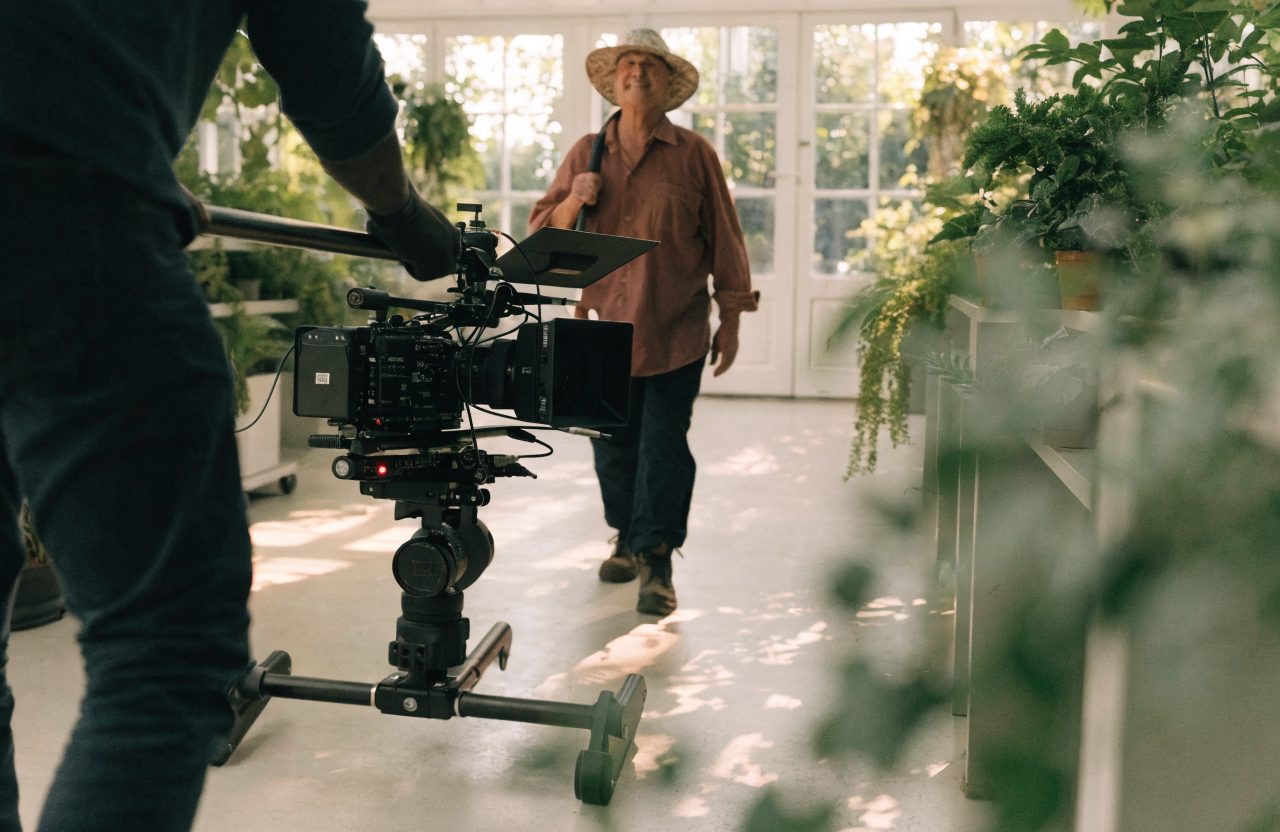
Inertial body-mounted camera movement that floats effortlessly through complex environments, binding the viewer to character momentum.
What it does
A Steadicam follow shot switch utilises a counterweighted, body-mounted gimbal rig operated by an operator to float the camera through uneven or winding spaces with glass-like stability. Unlike rigid tracks, the Steadicam responds organically to human locomotion, creating a dreamlike, disembodied presence that haunts the character from behind or glides ahead. It immerses the viewer directly inside the kinetic trajectory of the protagonist, fostering continuous tension and geographic immersion. Garrett Brown pioneered this visceral energy in Stanley Kubrick's The Shining, skimming inches above the hotel carpet behind Danny's tricycle. Hoyte van Hoytema similarly employed Steadicam in Christopher Nolan's Interstellar, floating through narrow spacecraft compartments to heighten physical claustrophobia. When not to use it: Never use Steadicam when a scene calls for jarring kinetic grit, abrupt documentary instability, or formal geometric stillness, as its smooth floating quality can feel excessively stylised or neutralise raw visceral terror.
The prompt
Replace [Subject] with what you are shooting. Everything else is deliberate: the gear, stock and lighting are what push a generator towards this look.
Works well in
Runway Gen-3, Luma Dream Machine, Kling 1.5
Pairs with
Continuous Long Take (Oner)Foreground Depth Layering (Dirty Single)
The Prompt Atlas
Every prompt here is a starting point. The Prompt Atlas is the full system: hundreds of production-ready prompts organised by outcome, with the reasoning behind each one so you can adapt rather than copy.