
Continuous Long Take (Oner)
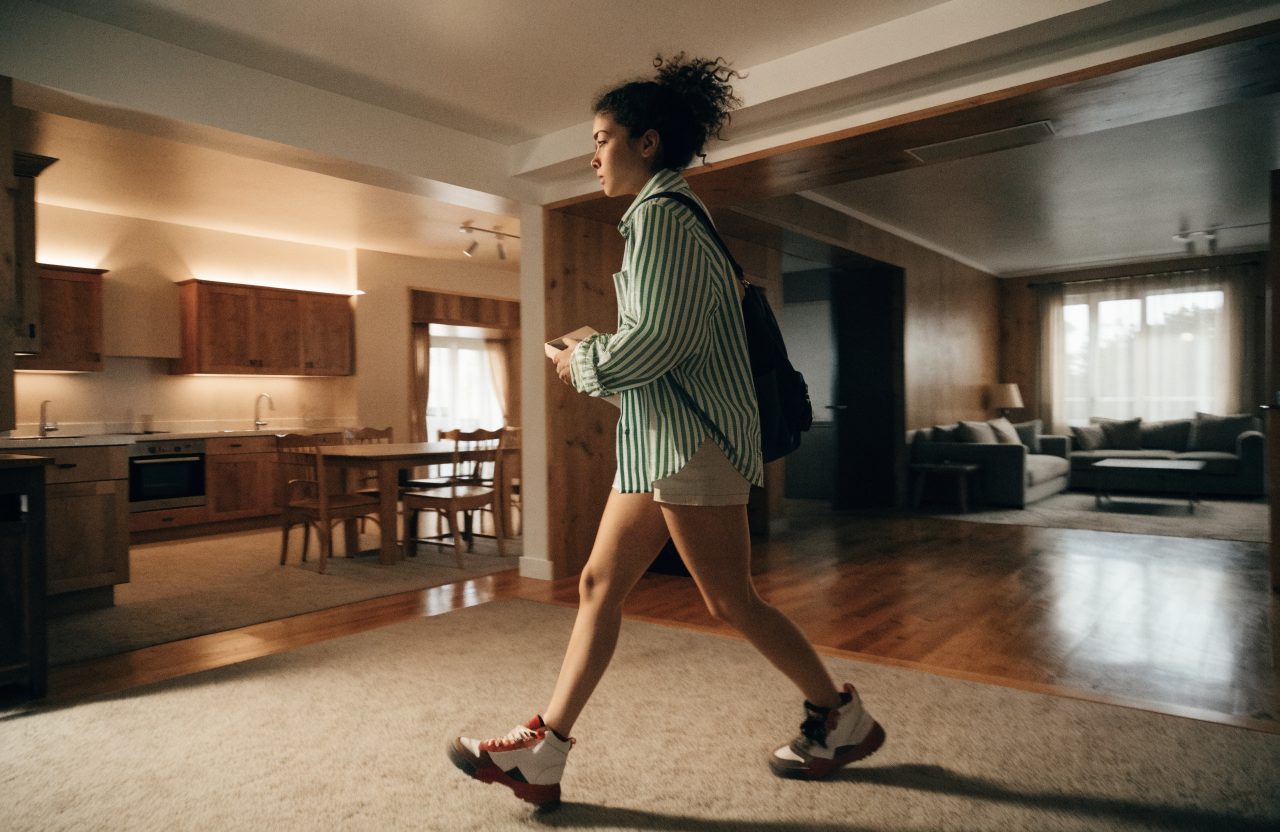
An extended uninterrupted shot that weaves across environments, cementing absolute spatial geography and continuous real-time tension.
What it does
A continuous long take, commonly referred to as an oner, executes an entire complex scene or sequence without a single visible edit or cutaway, choreographing camera and performers in uninterrupted real time. This unbroken spatial continuity imprisons the spectator within the scene's ticking clock, denying the emotional relief and pacing control of editorial cuts. It establishes absolute spatial authenticity and ratchets suspense to breathless levels. Emmanuel Lubezki achieved legendary status with his complex oners in Alfonso Cuaron's Children of Men, notably the harrowing ambush inside a moving car. Roger Deakins executed an astonishing, fluid single-take illusion in Sam Mendes' 1917, traversing treacherous trenches and bombed-out ruins to maintain unyielding forward momentum. When not to use it: Avoid oners when a scene requires snappy comic rhythm, dramatic time compression, or when complex staging leaves empty, unmotivated lulls between narrative story points.
The prompt
Replace [Subject] with what you are shooting. Everything else is deliberate: the gear, stock and lighting are what push a generator towards this look.
Works well in
Runway Gen-3, Luma Dream Machine, Sora
Pairs with
Fluid Steadicam FollowDeep Focus Blocking
The Prompt Atlas
Every prompt here is a starting point. The Prompt Atlas is the full system: hundreds of production-ready prompts organised by outcome, with the reasoning behind each one so you can adapt rather than copy.