
Snorricam Chest Rig
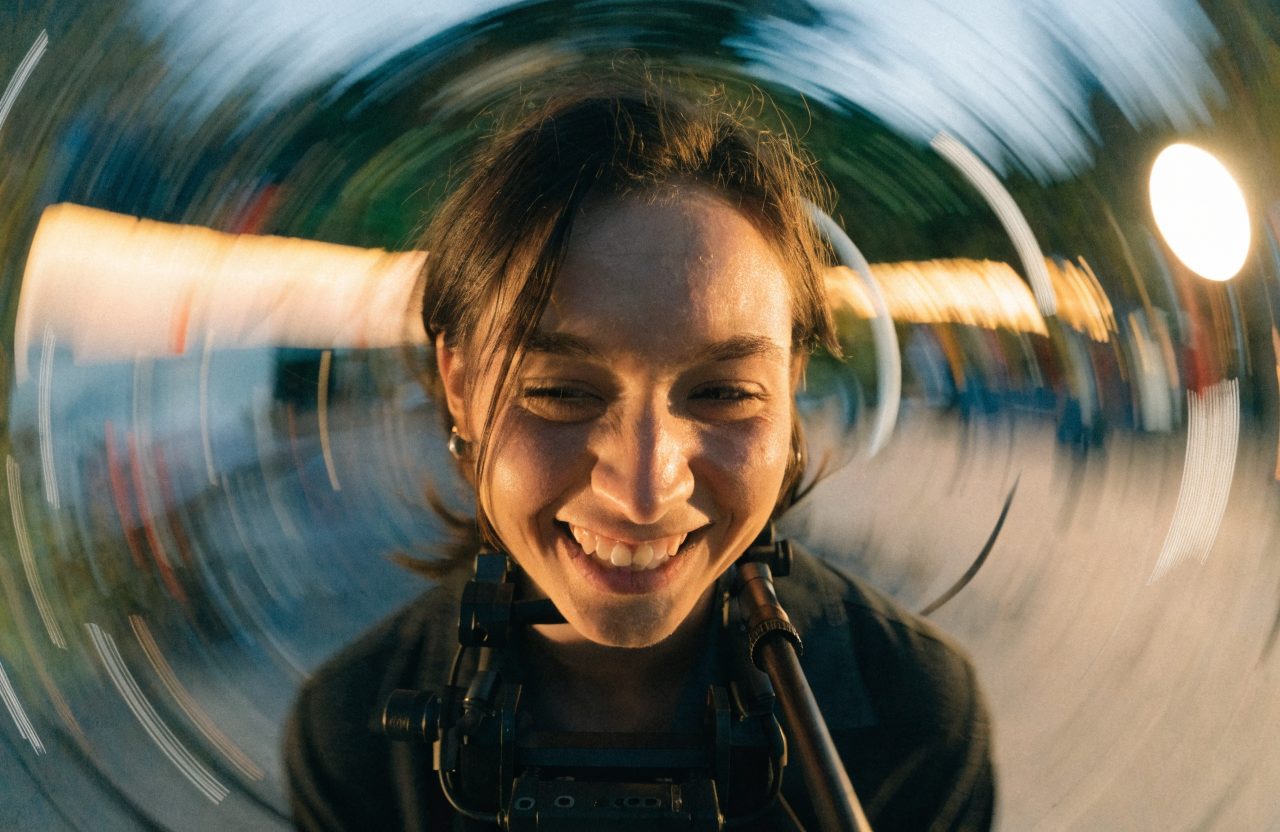
A body-harnessed camera pointing directly back at the actor, pinning them in place while the background wildly thrashes.
What it does
The Snorricam is a specialised mechanical chest rig clamped directly to the actor's body, pointing a wide-angle lens straight back into their face. As the performer walks, stumbles, or runs, their head remains locked immovably in frame while the surrounding background gyrates and lurches chaotically. This produces an intense sensation of physical entrapment, psychological alienation, intoxication, or severe panic, illustrating a character trapped within their own unravelling consciousness. Matthew Libatique utilised the Snorricam to devastating effect in Darren Aronofsky's Requiem for a Dream, capturing the feverish delirium and isolation of chemical addiction. Eigil Bryld used it with equal emotional power in Martin McDonagh's In Bruges during Colin Farrell's frantic, guilt-stricken escape. When not to use it: Avoid the Snorricam in subtle interpersonal conversations, ensemble staging, or objective narratives, as its claustrophobic, subjective visual mechanics completely overwhelm delicate character interaction.
The prompt
Replace [Subject] with what you are shooting. Everything else is deliberate: the gear, stock and lighting are what push a generator towards this look.
Works well in
Runway Gen-3, Kling 1.5, Midjourney v6.1
Pairs with
Dutch AngleDeadpan Centre Framing
The Prompt Atlas
Every prompt here is a starting point. The Prompt Atlas is the full system: hundreds of production-ready prompts organised by outcome, with the reasoning behind each one so you can adapt rather than copy.