
Deadpan Centre Framing
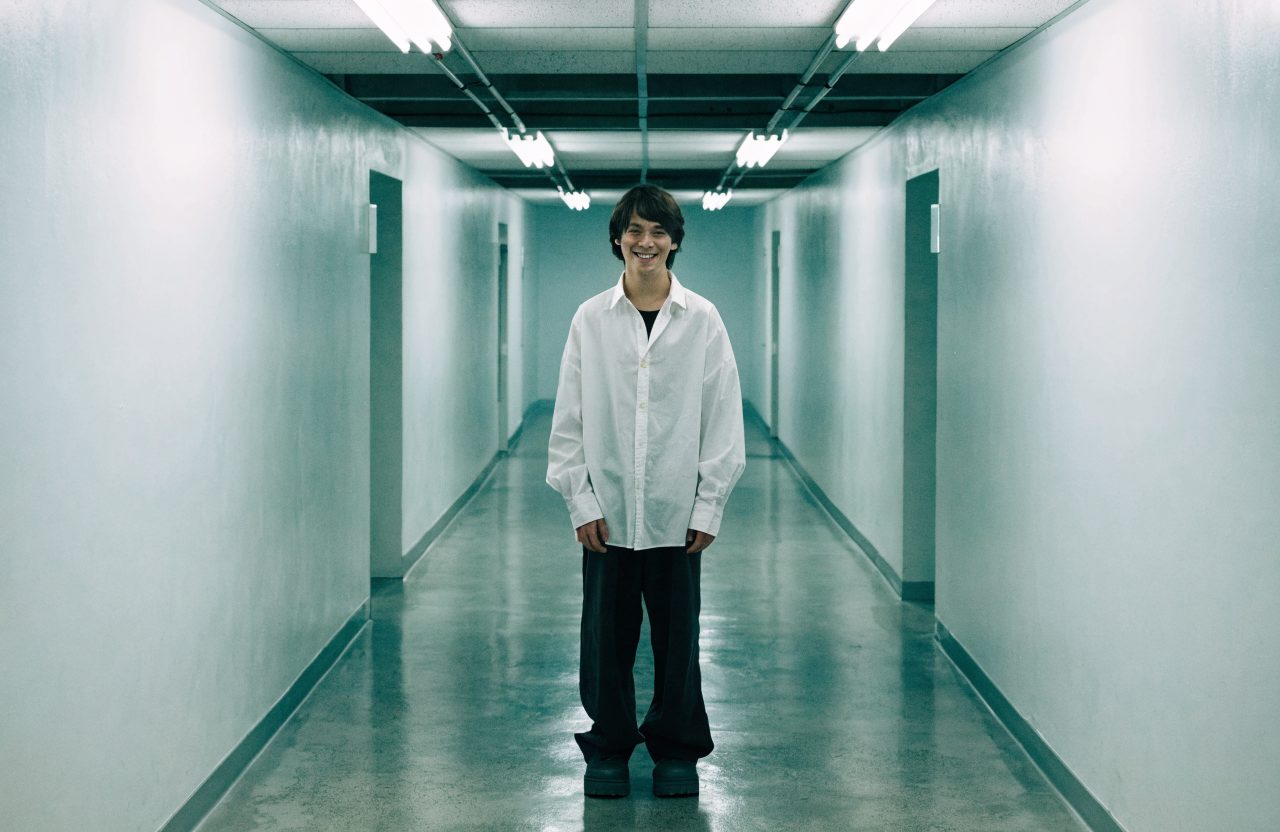
Positioning the subject dead centre in the frame to confront the viewer with stylised rigidity, stark vulnerability, or dry irony.
What it does
Deadpan centre framing breaks traditional compositional rules by placing the primary subject directly on the horizontal and vertical centre axes of the frame. This technique forces direct, uncompromising engagement between the subject and the spectator, evoking feelings of clinical surveillance, dry comedic detachment, or solemn ceremonial power. It lends scenes an austere, storybook artificiality or an oppressive sense of psychological confrontation. Robert Yeoman championed this method across the filmography of Wes Anderson, notably in The Grand Budapest Hotel, using absolute centre framing to achieve quirky, dollhouse-like symmetry and deadpan emotional delivery. Stanley Kubrick similarly utilised severe centre framing in Full Metal Jacket, placing Sergeant Hartman dead centre to project unyielding authoritarian intimidation. When not to use it: Avoid centre framing in naturalistic kitchen-sink dramas, dynamic sports sequences, or kinetic thrillers where rigid formal centring appears stilted, self-conscious, and emotionally artificial.
The prompt
Replace [Subject] with what you are shooting. Everything else is deliberate: the gear, stock and lighting are what push a generator towards this look.
Works well in
Midjourney v6.1, Flux Schnell, Runway Gen-3
Pairs with
Architectural SymmetryNegative Space Isolation
The Prompt Atlas
Every prompt here is a starting point. The Prompt Atlas is the full system: hundreds of production-ready prompts organised by outcome, with the reasoning behind each one so you can adapt rather than copy.