
Negative Space Isolation
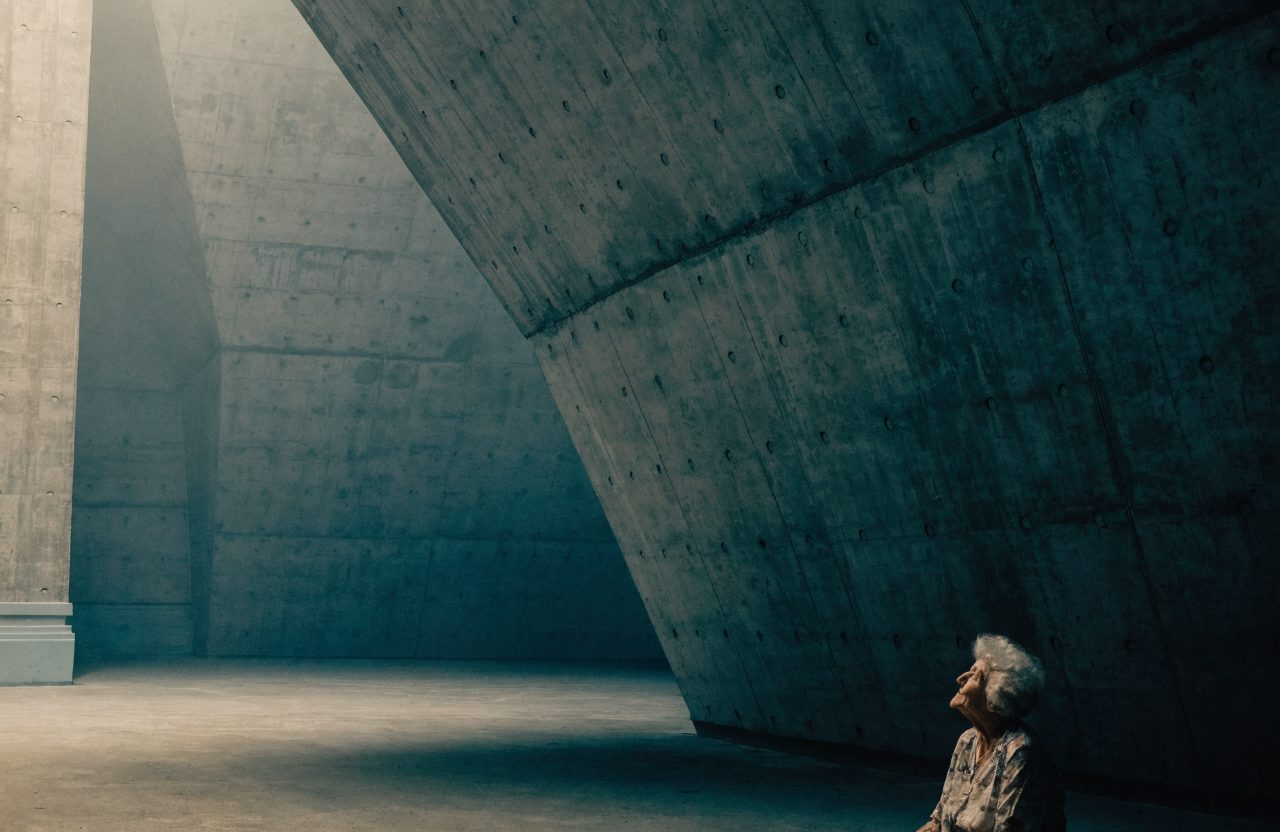
Overwhelming the frame with empty sky, blank walls, or shadow to accentuate a diminutive subject's isolation and existential dread.
What it does
Negative space isolation dedicates the vast majority of the frame to empty, cavernous surroundings, such as bare walls, open skies, or murky shadows, while confining the subject to a tiny fraction of the screen. This extreme compositional imbalance visually dwarfs the character, evoking feelings of existential powerlessness, profound loneliness, and emotional abandonment. It forces the audience to confront the character's insignificance within their broader environment. Bradford Young mastered negative space in Denis Villeneuve's Arrival, shrinking Amy Adams' character beneath massive, grey subterranean vaults and sprawling overcast skies. Hoyte van Hoytema similarly employed immense negative space in Spike Jonze's Her, isolating Joaquin Phoenix against vast glass windows and minimalist architectural voids to highlight his modern urban detachment. When not to use it: Avoid negative space isolation in lively ensemble banter, fast-paced comedy, or crowded street chases where spatial emptiness diffuses energy and weakens narrative cohesion.
The prompt
Replace [Subject] with what you are shooting. Everything else is deliberate: the gear, stock and lighting are what push a generator towards this look.
Works well in
Midjourney v6.1, Flux Schnell, Runway Gen-3
Pairs with
Deadpan Centre FramingOverhead God's-Eye View
The Prompt Atlas
Every prompt here is a starting point. The Prompt Atlas is the full system: hundreds of production-ready prompts organised by outcome, with the reasoning behind each one so you can adapt rather than copy.