
Swiss International Style
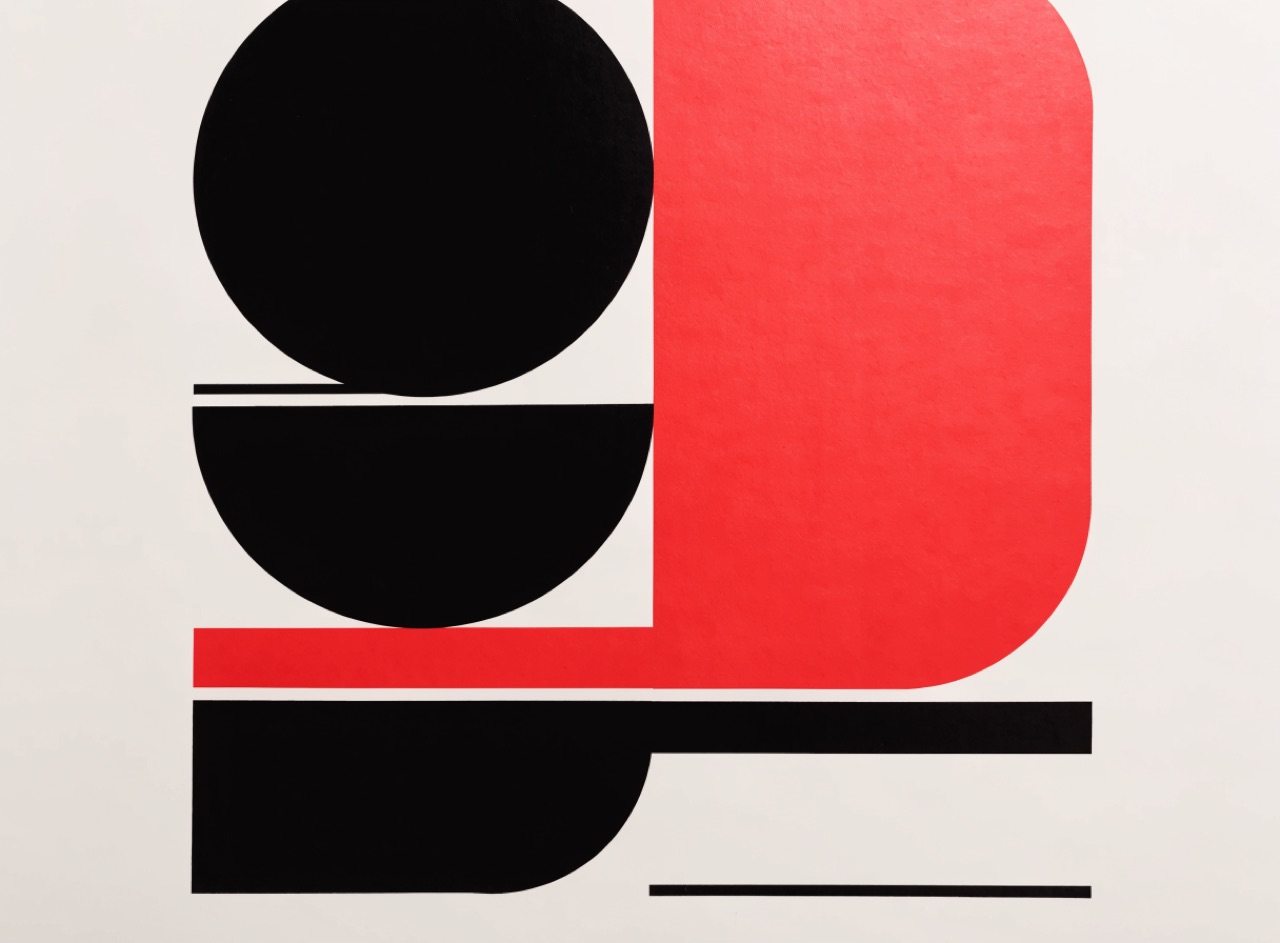
Objective information design on a mathematical grid, set in a neutral grotesque, ranged left.
What it does
Codified in Basel and Zurich in the 1950s by Josef Müller-Brockmann, Armin Hofmann and Emil Ruder, and argued in Müller-Brockmann's Grid Systems in Graphic Design. The claim is that the designer is a neutral conduit: information is organised on a modular grid, set in Akzidenz-Grotesk or Helvetica, ranged left and ragged right so word spacing stays even. Hierarchy comes from size and position, never from decoration. The Zurich Tonhalle concert posters are the canonical artefact. It fails when applied to material that has no real structure, where the grid becomes an empty formality rather than a reading aid.
The prompt
Replace [Subject] with what you are shooting. Everything else is deliberate: the gear, stock and lighting are what push a generator towards this look.
Works well in
Midjourney, FLUX, Ideogram
Pairs with
Modular GridAkzidenz over Helvetica
The Prompt Atlas
Every prompt here is a starting point. The Prompt Atlas is the full system: hundreds of production-ready prompts organised by outcome, with the reasoning behind each one so you can adapt rather than copy.