
Unmotivated Lighting
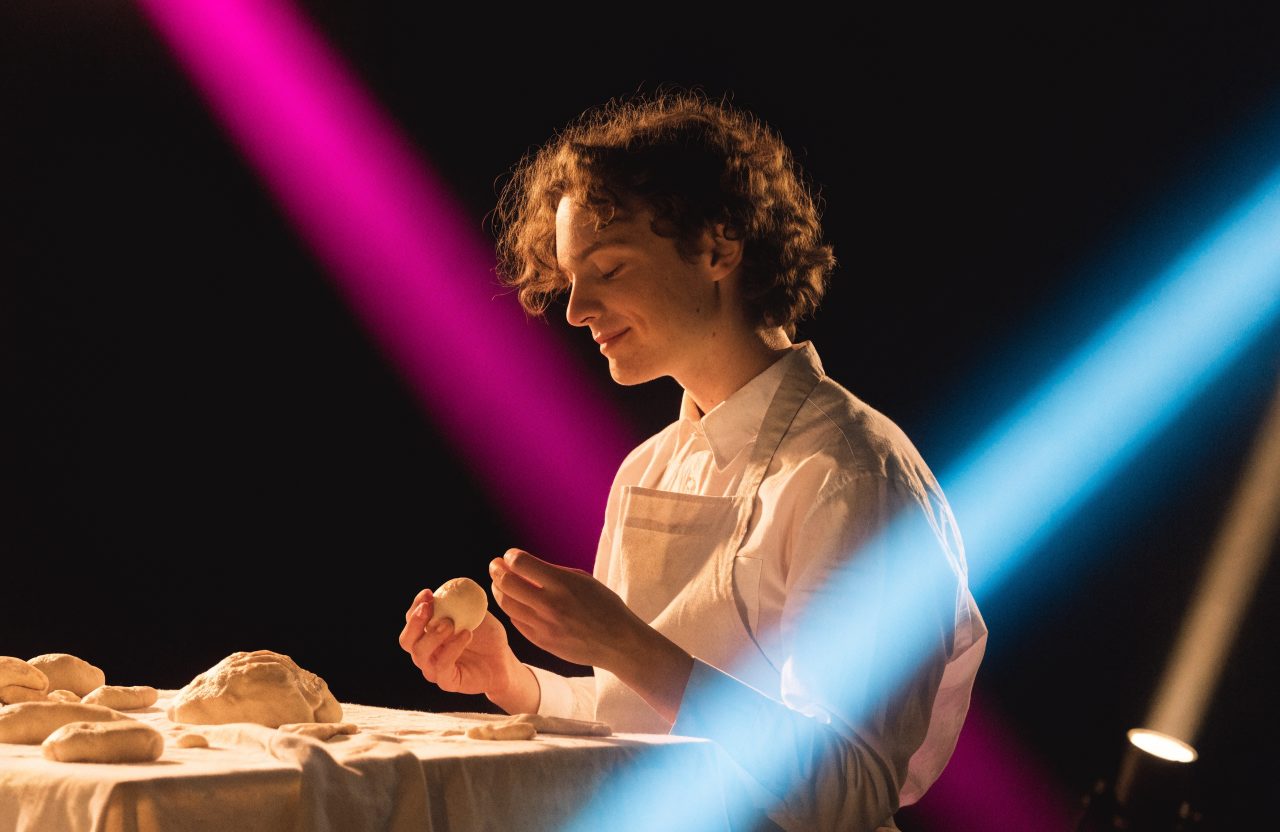
Shafts and colour that exist for emotion rather than for a lamp on set, pushing a scene into dream, genre or psychology.
What it does
Unmotivated lighting refuses the alibi. Shafts, washes and colour arrive because the scene's emotion requires them, not because a lamp in the set would have thrown them. Emotionally it is subjective, operatic and sometimes violent: we are inside a mind, a genre, or a dream, and the world has no obligation to be physically plausible. Robert Richardson's work for Oliver Stone and Quentin Tarantino on Natural Born Killers and Kill Bill fires unmotivated shafts and party colour as moral weather. Christopher Doyle, with Wong Kar-wai on In the Mood for Love and Fallen Angels, floods rooms with hues no practical could justify, so desire becomes the source. Use it for musical numbers, nightmares, memory and heightened genre. Do not use it in a procedural, a period documentary tone, or any Deakins-like thriller that has already taught the audience to trust the windows, because a rogue magenta slash will puncture the contract.
The prompt
Replace [Subject] with what you are shooting. Everything else is deliberate: the gear, stock and lighting are what push a generator towards this look.
Works well in
Midjourney, Higgsfield, Pika
Pairs with
Gel LightingComplementary Colour Contrast
The Prompt Atlas
Every prompt here is a starting point. The Prompt Atlas is the full system: hundreds of production-ready prompts organised by outcome, with the reasoning behind each one so you can adapt rather than copy.