
Classical Rule of Thirds
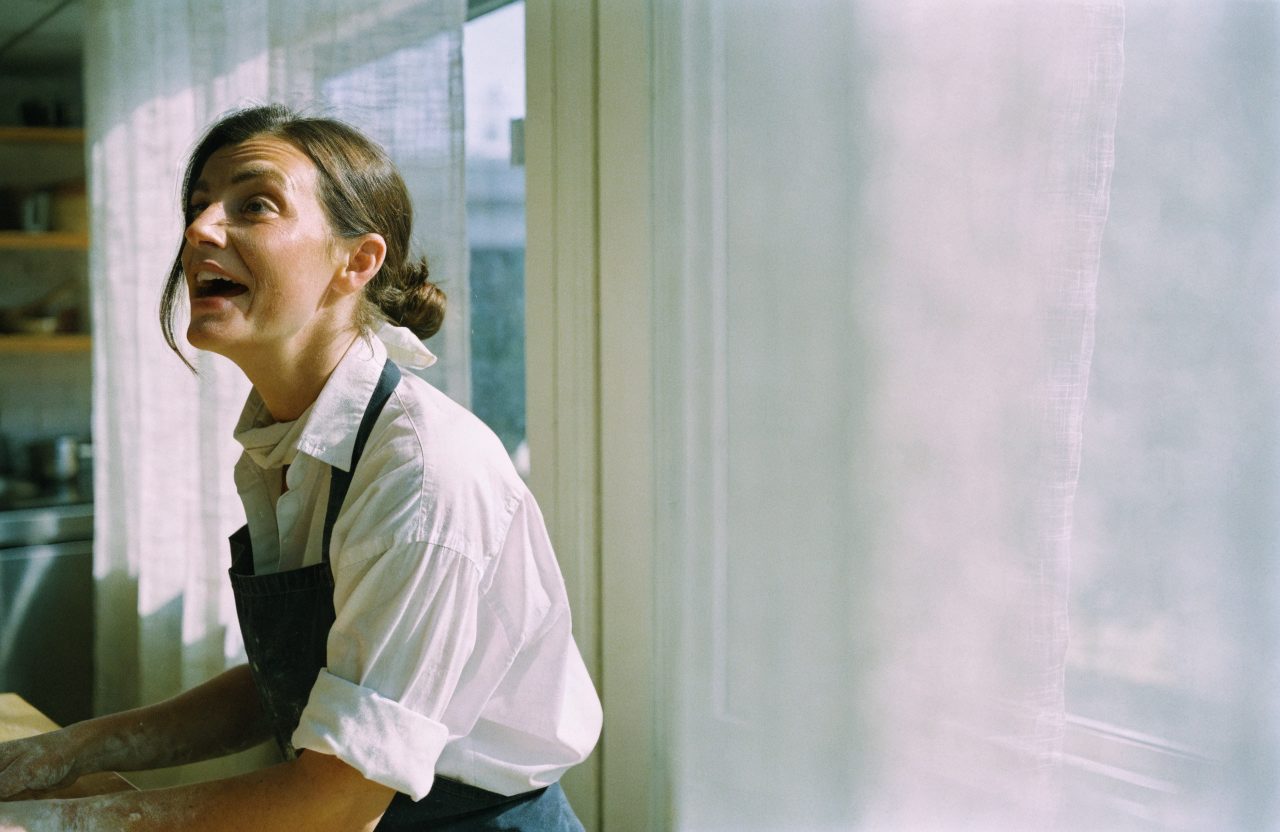
Placing focal points along horizontal and vertical grid divisions to produce naturally balanced and engaging compositions.
What it does
The classical rule of thirds divides the frame into nine equal rectangles using two horizontal and two vertical grid lines, deliberately placing primary focal points along these lines or at their intersections. Rather than centring the subject, this technique generates visual harmony, comfortable eye movement, and natural balance, leaving room for environmental context. It creates an organic compositional equilibrium that feels intuitive and aesthetically satisfying. Roger Deakins frequently relies on the rule of thirds in Joel and Ethan Coen's No Country for Old Men, positioning weary lawmen along the upper-third line against vast, indifferent desert horizons. Rachel Morrison used this framing with poetic grace in Dee Rees' Mudbound, harmonising weary sharecroppers with the expansive, muddy fields they cultivate. When not to use it: Avoid the rule of thirds when deliberately seeking to evoke claustrophobic unease, severe psychological isolation, clinical totalitarian control, or confrontational deadpan comedy.
The prompt
Replace [Subject] with what you are shooting. Everything else is deliberate: the gear, stock and lighting are what push a generator towards this look.
Works well in
Midjourney v6.1, Flux Schnell, Runway Gen-3
Pairs with
Lateral Tracking ShotMagic Hour Impressionism
The Prompt Atlas
Every prompt here is a starting point. The Prompt Atlas is the full system: hundreds of production-ready prompts organised by outcome, with the reasoning behind each one so you can adapt rather than copy.