
Magic Hour Impressionism
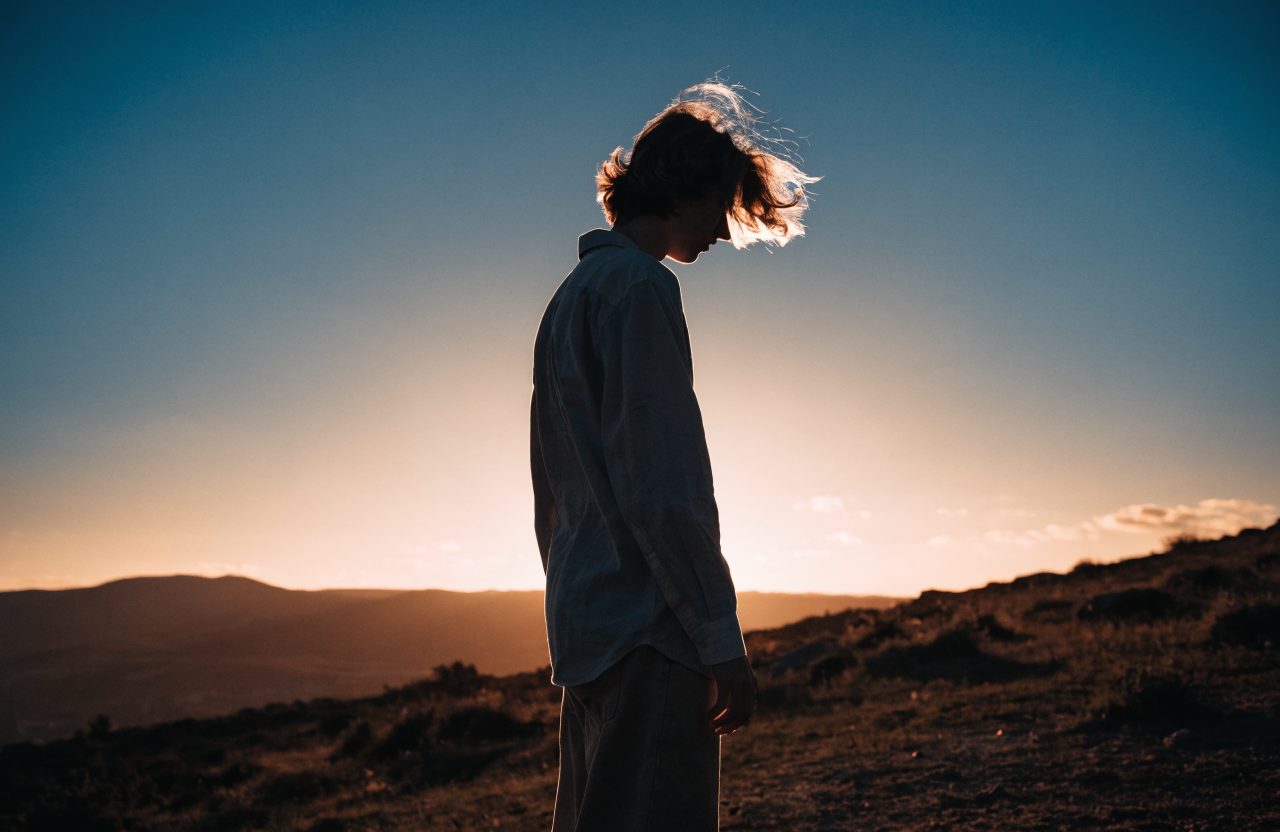
Filming purely in the fleeting golden or blue glow of twilight to evoke aching nostalgia, mortality, and transcendent beauty.
What it does
Magic hour impressionism relies exclusively on the fleeting twenty-to-thirty-minute window of natural twilight immediately following sunset or preceding sunrise, when the sun is below the horizon and the sky acts as a colossal softbox. Without harsh direct sunlight, the scene is illuminated by soft, multidirectional ambient glow, contrasting warm golden horizon light against cool indigo skylight. Emotionally, magic hour evokes poignant nostalgia, spiritual transcendence, mortal impermanence, and lyricism, casting human struggles in fleeting, sacred light. Néstor Almendros and Haskell Wexler famously captured Terrence Malick's Days of Heaven almost entirely during magic hour on Kodak film stock, achieving painterly, timeless beauty. Emmanuel Lubezki pushed this natural-light philosophy to radical extremes in Alejandro González Iñárritu's The Revenant, braving sub-zero twilights to achieve unvarnished spiritual realism. When not to use it: Ineffective in sterile corporate interiors, neon cyberpunk thrillers, or fast-paced dialogue comedies where fleeting twenty-minute shooting windows and poetic serenity clash with punchy pacing.
The prompt
Replace [Subject] with what you are shooting. Everything else is deliberate: the gear, stock and lighting are what push a generator towards this look.
Works well in
Midjourney v6.1, Flux Schnell, Runway Gen-3
Pairs with
Classical Rule of ThirdsVintage CinemaScope Anamorphic
The Prompt Atlas
Every prompt here is a starting point. The Prompt Atlas is the full system: hundreds of production-ready prompts organised by outcome, with the reasoning behind each one so you can adapt rather than copy.