
Rembrandt Lighting
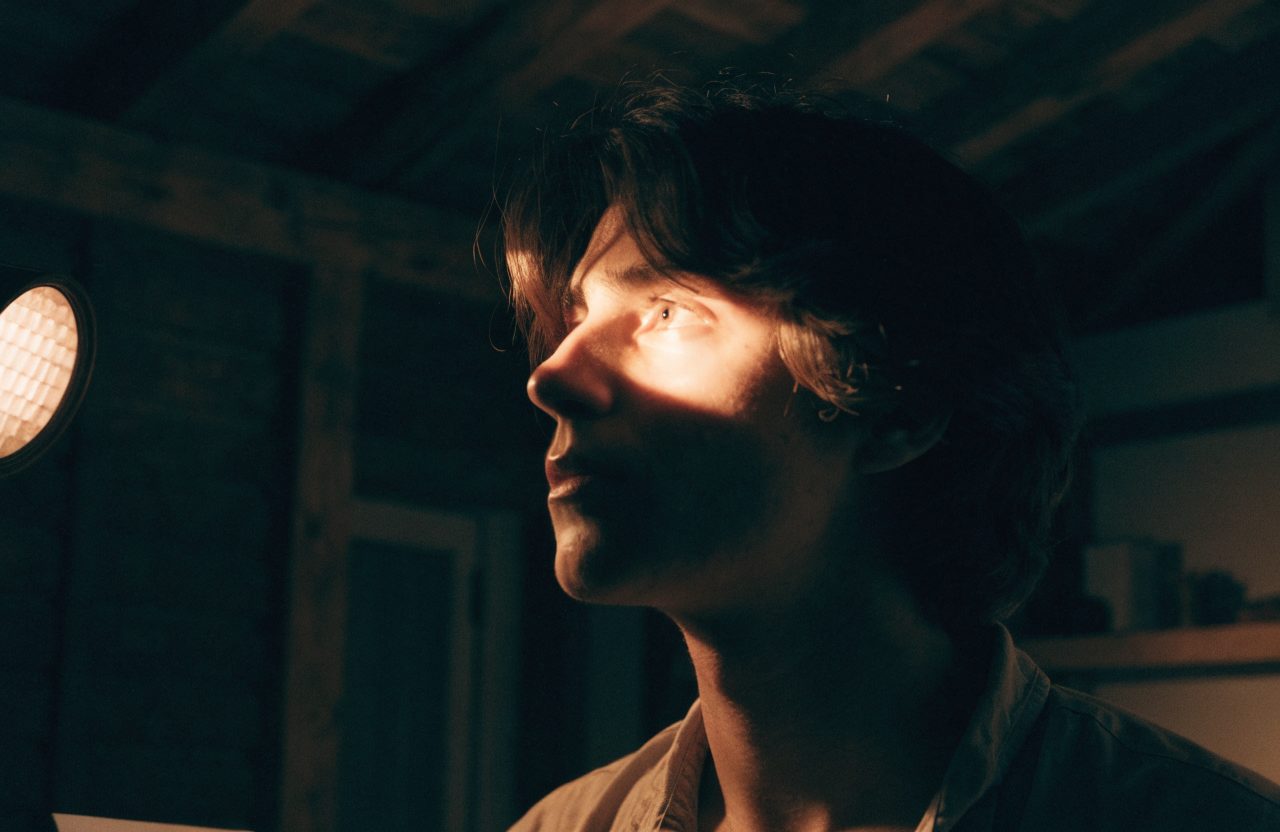
A 45-degree key that leaves a triangle of light on the shadow cheek, granting dignity and interior life to a close-up.
What it does
Rembrandt lighting is a key placed about forty-five degrees off camera and slightly above eye line, so the shadow side of the face still holds a small inverted triangle of light under the eye. The name comes from the painter's portraits, not from a lamp. Emotionally it grants dignity and interior life: a person is modelled, not displayed, and the dark half of the face suggests thought the dialogue may not speak. Gordon Willis used a severe, underlit cousin of it throughout The Godfather, burying Brando's eyes so power felt subterranean. Robert Elswit found a warmer Rembrandt in the oil-lamp interiors of There Will Be Blood, where Daniel Day-Lewis seems lit by his own will. Conrad Hall's rain-soaked faces in Road to Perdition sit in the same family. Use it for character close-ups that need moral weight without horror. Do not use it on fast comedy coverage or on a face you must keep fully open for beauty or product work, because the triangle requires a stable key and a disciplined fill.
The prompt
Replace [Subject] with what you are shooting. Everything else is deliberate: the gear, stock and lighting are what push a generator towards this look.
Works well in
Midjourney, Flux, Leonardo
Pairs with
The Prompt Atlas
Every prompt here is a starting point. The Prompt Atlas is the full system: hundreds of production-ready prompts organised by outcome, with the reasoning behind each one so you can adapt rather than copy.