
Film Noir Low-Key Expressionism
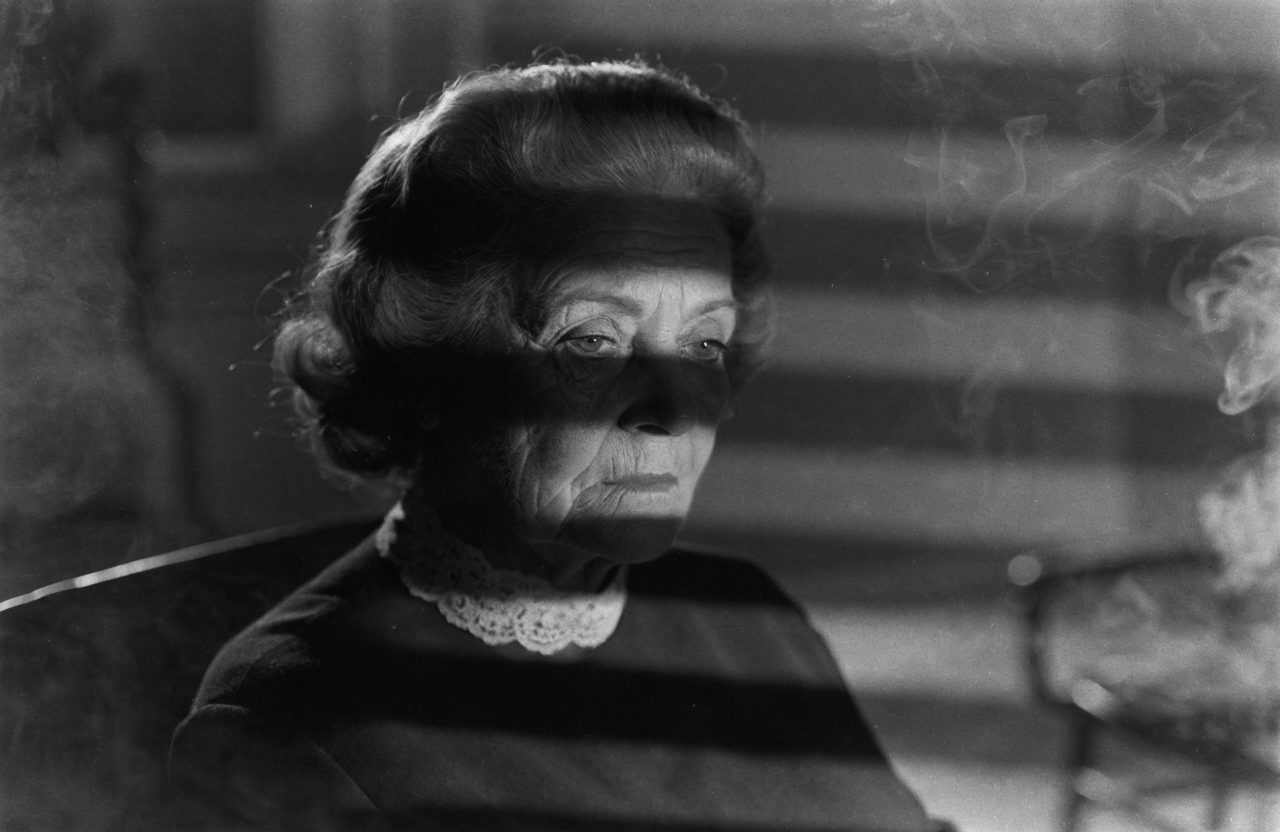
High-contrast black-and-white lighting using hard venetian blind slashes and deep shadows to embody moral decay and paranoia.
What it does
Film noir low-key expressionism is defined by aggressive contrast, minimal fill illumination, deep inky blacks, and razor-sharp geometric hard lighting derived from German Expressionism. Harsh diagonal shafts of light, casting shadows of venetian blinds, stair banisters, and window frames, slice across characters and urban interiors. This visual language externalises fatalism, moral corruption, guilt, and the pervasive paranoia of post-war cynicism, showing that everyone is trapped in an inescapable web of deception. John Alton, author of Painting with Light, immortalised this look in Anthony Mann's The Big Combo, staging the famous final airport confrontation in deep fog illuminated by a single blinding spotlight. Nicholas Musuraca similarly deployed slashing low-key shadows in Jacques Tourneur's Out of the Past to trap doomed lovers in webs of darkness. When not to use it: Do not use this severe high-contrast style in cheerful modern romances, broad comedies, or optimistic family dramas where heavy expressionist shadows feel absurdly overdramatic.
The prompt
Replace [Subject] with what you are shooting. Everything else is deliberate: the gear, stock and lighting are what push a generator towards this look.
Works well in
Midjourney v6.1, Flux Schnell, Runway Gen-3
Pairs with
Chiaroscuro SilhouetteDutch Angle
The Prompt Atlas
Every prompt here is a starting point. The Prompt Atlas is the full system: hundreds of production-ready prompts organised by outcome, with the reasoning behind each one so you can adapt rather than copy.