
Eye-Level Shot
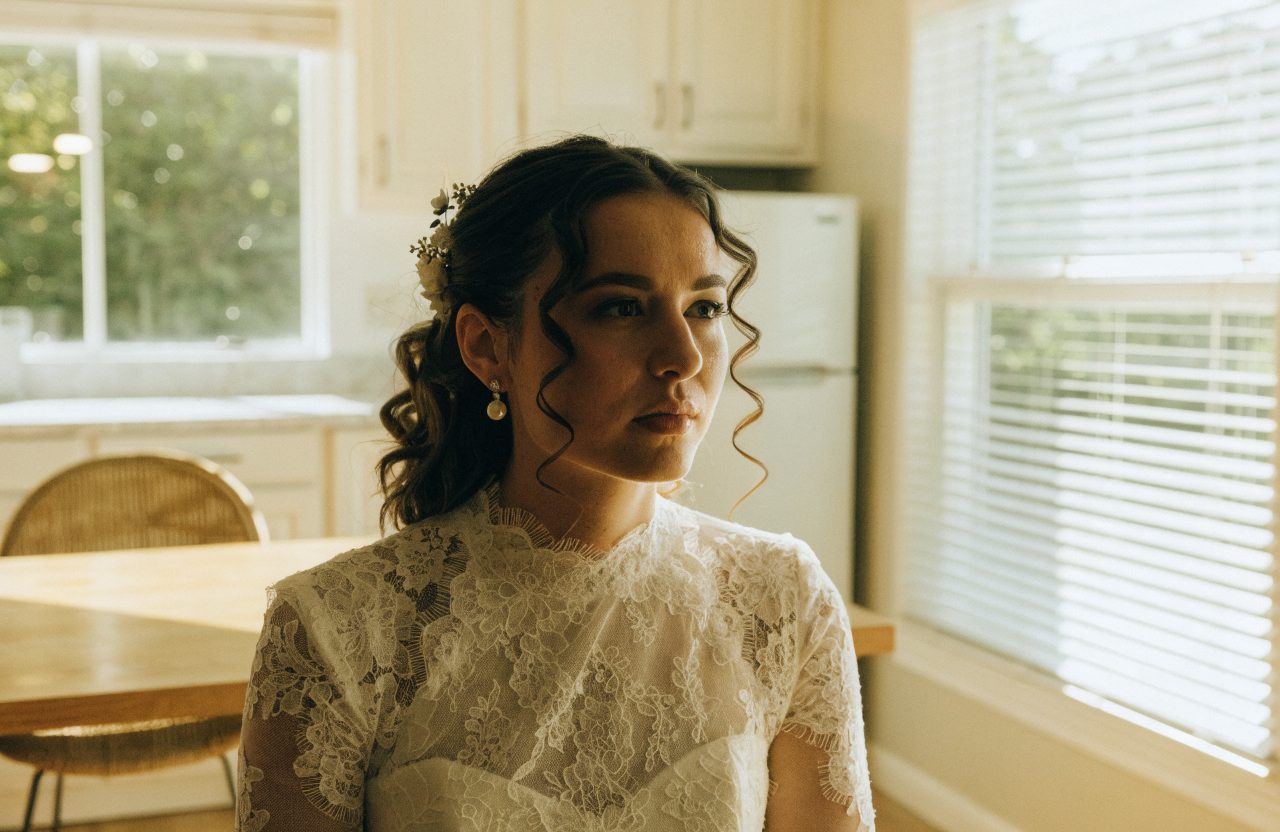
Set the lens at the subject’s eye height to create direct, socially familiar access without an imposed vertical hierarchy.
What it does
An eye-level shot places the lens approximately at the subject’s eyes, whether they are standing, sitting or lying down. It often feels socially direct because the viewer meets the person without looking conspicuously up or down. Lee Daniel’s photography in Before Sunrise supports conversational intimacy through accessible viewpoints and attention to two people sharing space. Robbie Ryan’s work in Marriage Story frequently makes difficult exchanges feel immediate through human-scaled observation rather than a constant display of dominance angles. Eye level is a camera-height decision, not a requirement that the performer stare into the lens. The eyeline can remain just off camera to preserve the scene partner’s position. Avoid treating it as emotionally neutral by definition, and avoid it when differing heights, physical vulnerability or an unusual spatial relationship are central to the scene.
The prompt
Replace [Subject] with what you are shooting. Everything else is deliberate: the gear, stock and lighting are what push a generator towards this look.
Works well in
Midjourney, FLUX, Runway
Pairs with
The Prompt Atlas
Every prompt here is a starting point. The Prompt Atlas is the full system: hundreds of production-ready prompts organised by outcome, with the reasoning behind each one so you can adapt rather than copy.