
Close-Up
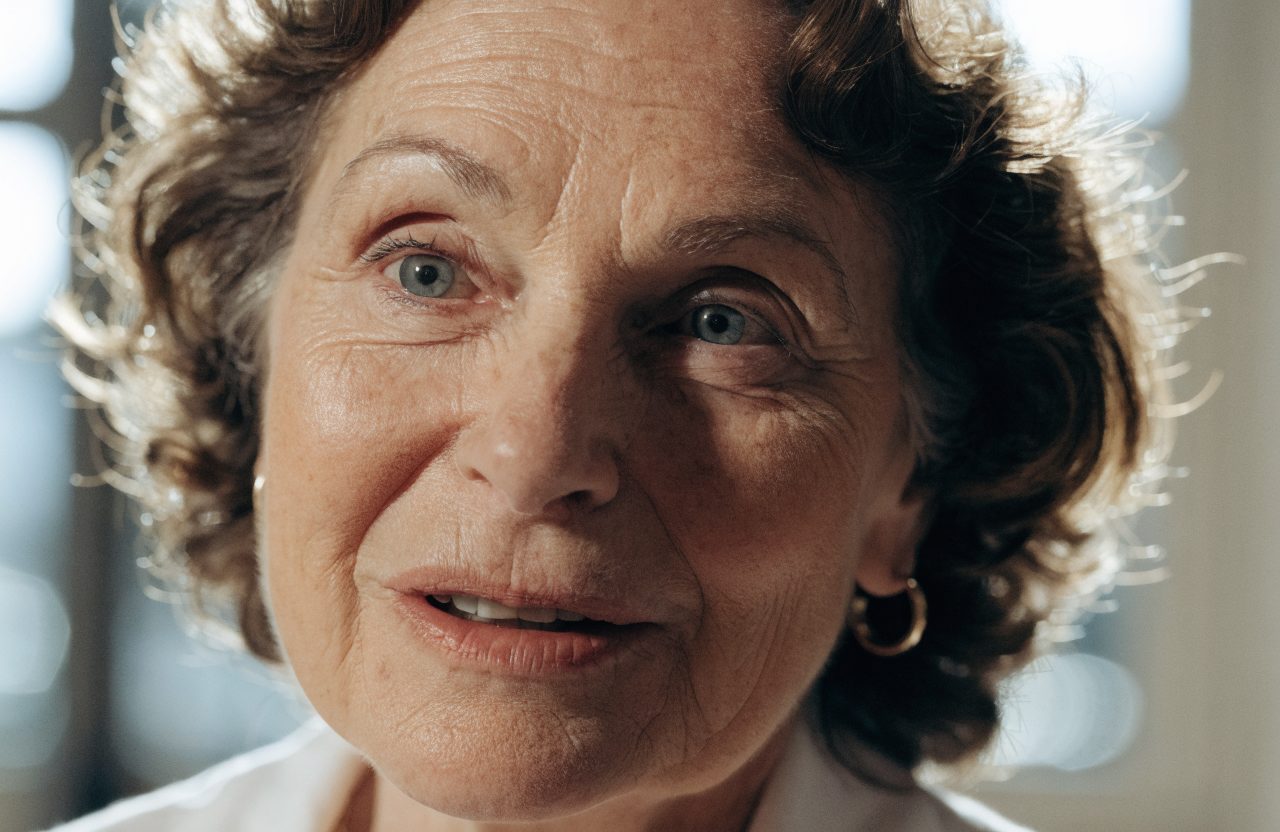
Give a face dominant screen space so the audience reads thought, feeling and the effort to conceal them.
What it does
A close-up makes a face the principal field of action, allowing tiny changes in gaze, breathing and muscular tension to carry dramatic weight. In The Passion of Joan of Arc, Rudolph Maté’s photography gives Renée Falconetti’s face an almost unbearable immediacy, reducing the protection offered by surroundings. Sven Nykvist’s work in Persona makes close faces both intimate and unstable, inviting the audience to compare, scrutinise and sometimes confuse identities. The technique does not automatically mean emotional honesty: a close-up can reveal concealment, provoke doubt or deny access to someone who remains unreadable. Choose the moment carefully, because tighter scale creates an expectation of significance. Avoid using it continuously when the scene needs spatial relationships, and avoid assuming that shallow focus or flattering light is necessary for a powerful face.
The prompt
Replace [Subject] with what you are shooting. Everything else is deliberate: the gear, stock and lighting are what push a generator towards this look.
Works well in
Midjourney, FLUX, Runway
Pairs with
Eye-Level ShotShallow Depth of Field
The Prompt Atlas
Every prompt here is a starting point. The Prompt Atlas is the full system: hundreds of production-ready prompts organised by outcome, with the reasoning behind each one so you can adapt rather than copy.