
Coarse Halftone
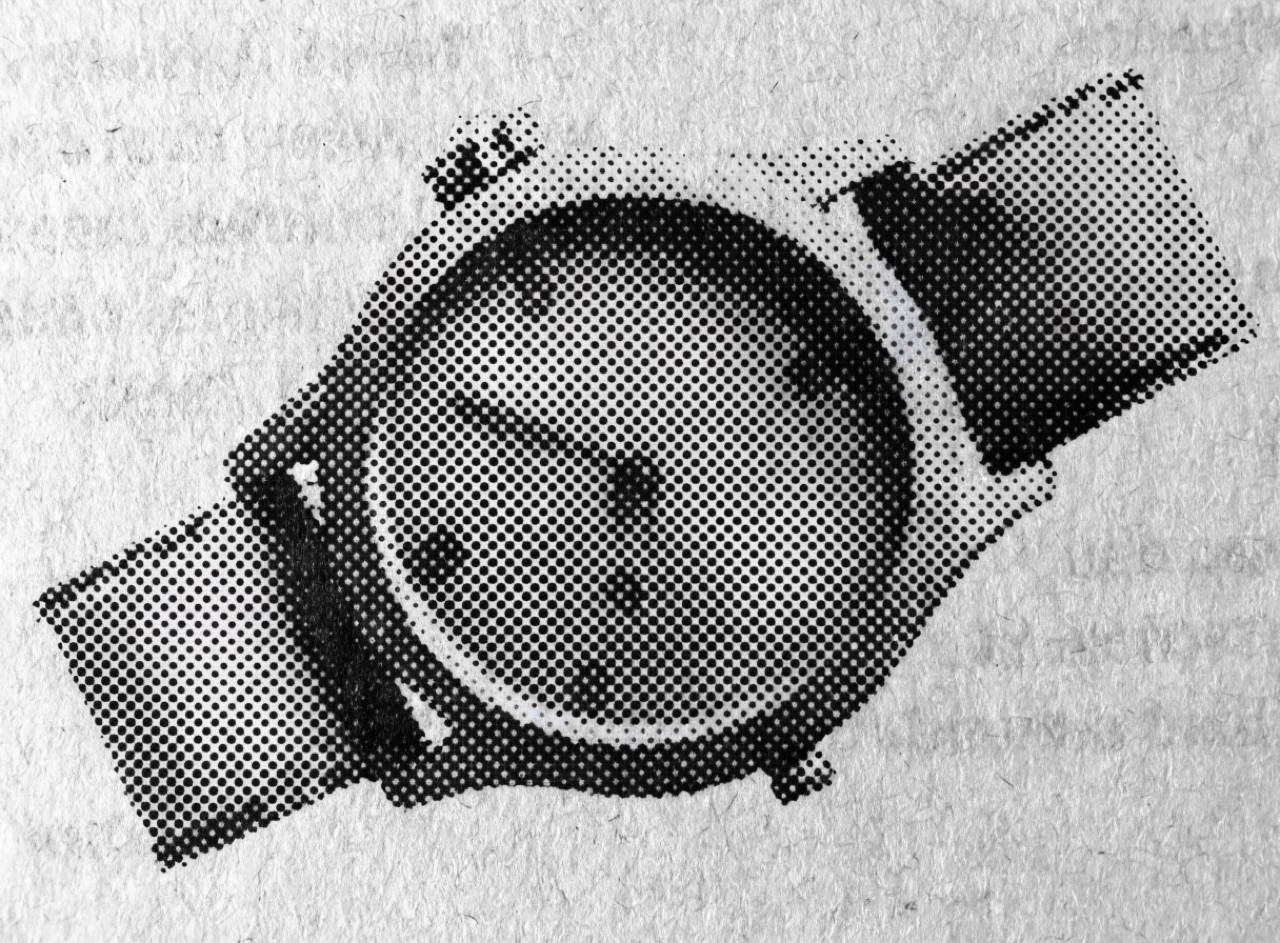
An image broken into visible dots large enough to read as pattern before they read as picture.
What it does
Newsprint historically ran 65 to 85 lines per inch because coarse absorbent paper spreads ink and finer screens fill in. Roy Lichtenstein enlarged the Ben-Day dot until the reproduction method became the subject. Screen angle matters: single-colour work sits at 45 degrees because the eye is least sensitive to diagonal pattern, and process work rotates each channel by 30 degrees to avoid moiré. Getting the angle wrong is the giveaway that an image is imitating print rather than describing it.
The prompt
Replace [Subject] with what you are shooting. Everything else is deliberate: the gear, stock and lighting are what push a generator towards this look.
Works well in
Midjourney, FLUX, Stable Diffusion
Pairs with
Punk Xerox Cut-UpRisograph Duotone
The Prompt Atlas
Every prompt here is a starting point. The Prompt Atlas is the full system: hundreds of production-ready prompts organised by outcome, with the reasoning behind each one so you can adapt rather than copy.