
Tatami Shot
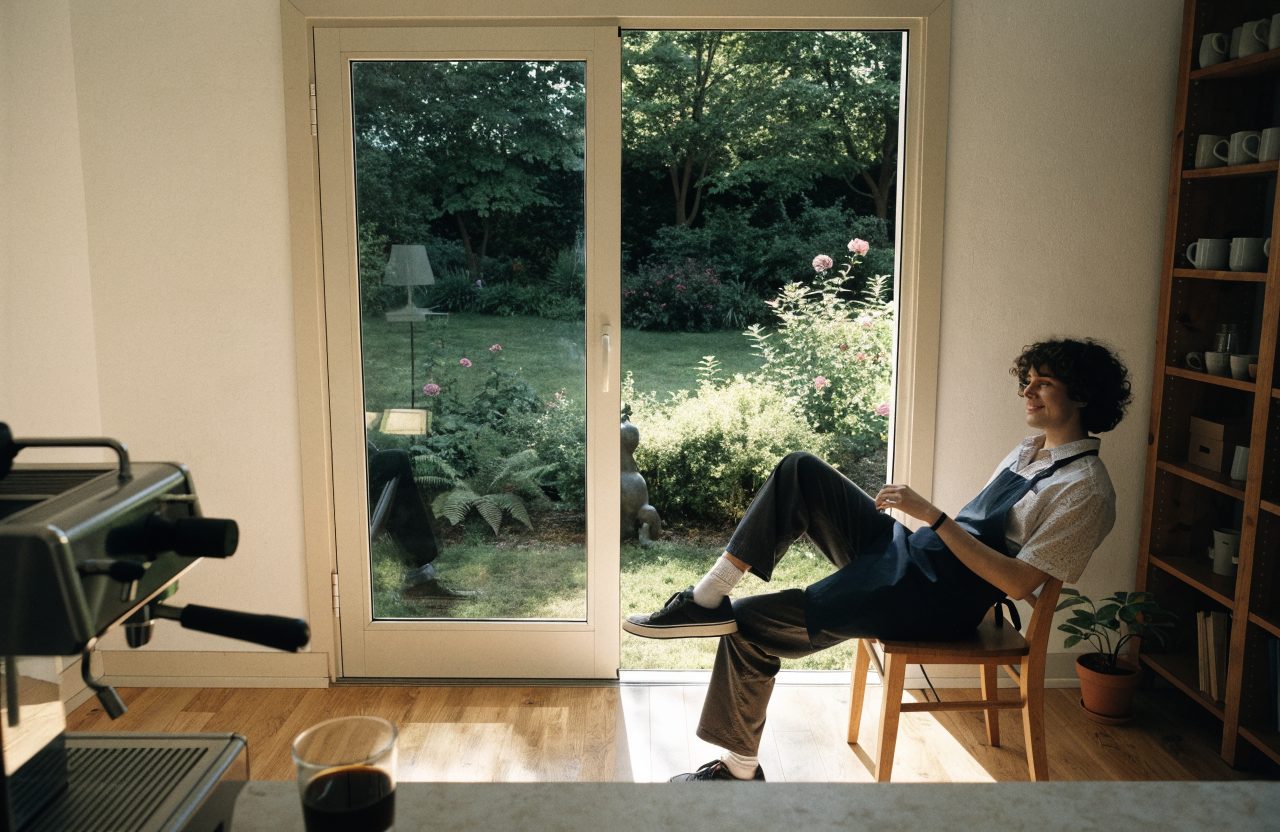
Use a low, level, usually static camera to organise domestic space through a calm and deliberately consistent viewpoint.
What it does
The tatami shot is the familiar name for the low, stable camera placement associated with Yasujirō Ozu, especially in Japanese domestic interiors. It is often described as a seated viewpoint, but should not be reduced to a literal measurement of a seated person’s eyes. In Tokyo Story and Late Spring, both photographed by Yūharu Atsuta, low compositions and carefully organised architecture let ordinary gestures acquire emotional weight. Doorways, floor planes and the intervals between people become part of the drama. The technique encourages attentive observation without requiring the camera to pursue every shift in feeling. Keep the lens level and build the composition around the actual room. Avoid using it as a decorative shorthand for Japanese culture, or when furniture blocks the action and the low height has no relationship to the scene’s emotional or spatial design.
The prompt
Replace [Subject] with what you are shooting. Everything else is deliberate: the gear, stock and lighting are what push a generator towards this look.
Works well in
Midjourney, FLUX, Runway
Pairs with
The Prompt Atlas
Every prompt here is a starting point. The Prompt Atlas is the full system: hundreds of production-ready prompts organised by outcome, with the reasoning behind each one so you can adapt rather than copy.