
1970s New Hollywood Naturalism
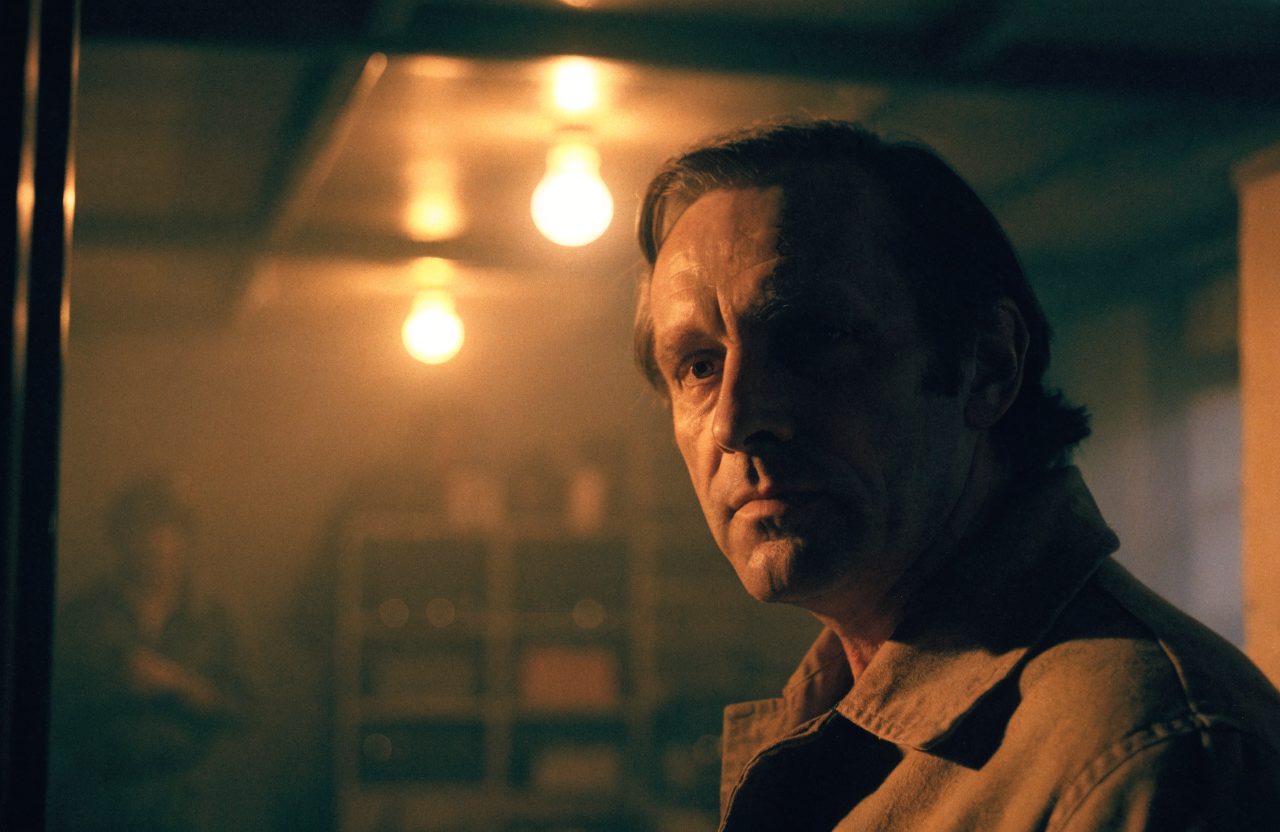
Earthy, warm zoom-lens naturalism with practical location textures, capturing post-Watergate disillusionment and raw urban grit.
What it does
New Hollywood naturalism emerged throughout the 1970s, defined by unglamorous location shooting, slow observational zoom lenses, earthy colour palettes, and underexposed or pre-flashed film negatives. This look captures the post-Watergate disillusionment, urban decay, and anti-heroic fatigue of 1970s American cinema. By avoiding flattering cosmetic lighting, it grounds dramatic narratives in messy, tactile, working-class reality. Gordon Willis earned his moniker the Prince of Darkness on Alan J. Pakula's Klute and Francis Ford Coppola's The Godfather, refusing to over-light interiors and allowing deep shadows to swallow moral ambiguity. Vilmos Zsigmond similarly pushed aesthetic boundaries in Robert Altman's McCabe & Mrs. Miller, pre-flashing film stock to mute colours into an antique, faded tapestry of frontier sorrow. When not to use it: Avoid this grainy, muted aesthetic in futuristic tech commercials, glossy superhero tentpoles, or high-fashion campaigns where murky low-contrast earth tones look muddy and unappealing.
The prompt
Replace [Subject] with what you are shooting. Everything else is deliberate: the gear, stock and lighting are what push a generator towards this look.
Works well in
Midjourney v6.1, Flux Schnell, Runway Gen-3
Pairs with
Short Side FramingLateral Tracking Shot
The Prompt Atlas
Every prompt here is a starting point. The Prompt Atlas is the full system: hundreds of production-ready prompts organised by outcome, with the reasoning behind each one so you can adapt rather than copy.