
Over-the-Shoulder Shot
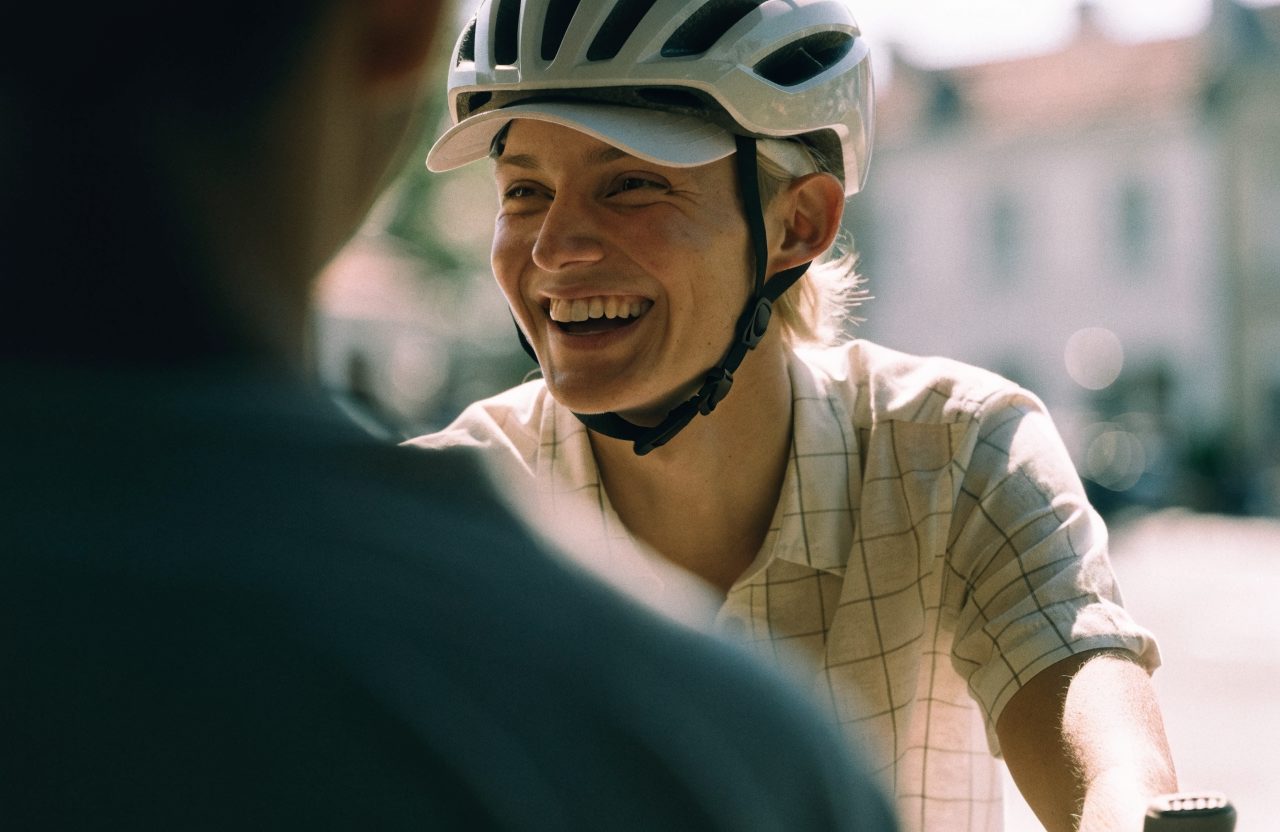
Include a foreground shoulder while framing another person to establish conversational space and relational pressure.
What it does
An over-the-shoulder shot frames one person past part of another person’s head or shoulder. That foreground presence keeps the exchange embodied, reminding the viewer who occupies the opposite side of the conversation. Gordon Willis’s work in The Godfather uses conversational framing and foreground weight to make access, hierarchy and proximity matter. Jeff Cronenweth’s coverage in The Social Network gives verbal exchanges a precise spatial structure even as alliances shift. A larger or darker foreground figure can feel imposing; a smaller edge can simply orient the scene. Match eyelines and maintain a coherent axis unless disorientation is intentional. Avoid letting the shoulder cover meaningful expression or become an attractive but irrelevant blur. If the scene needs emotional separation, a clean single may communicate isolation more strongly than continually including the listener.
The prompt
Replace [Subject] with what you are shooting. Everything else is deliberate: the gear, stock and lighting are what push a generator towards this look.
Works well in
Runway, Kling, Midjourney
Pairs with
The Prompt Atlas
Every prompt here is a starting point. The Prompt Atlas is the full system: hundreds of production-ready prompts organised by outcome, with the reasoning behind each one so you can adapt rather than copy.