
Low-Key Lighting
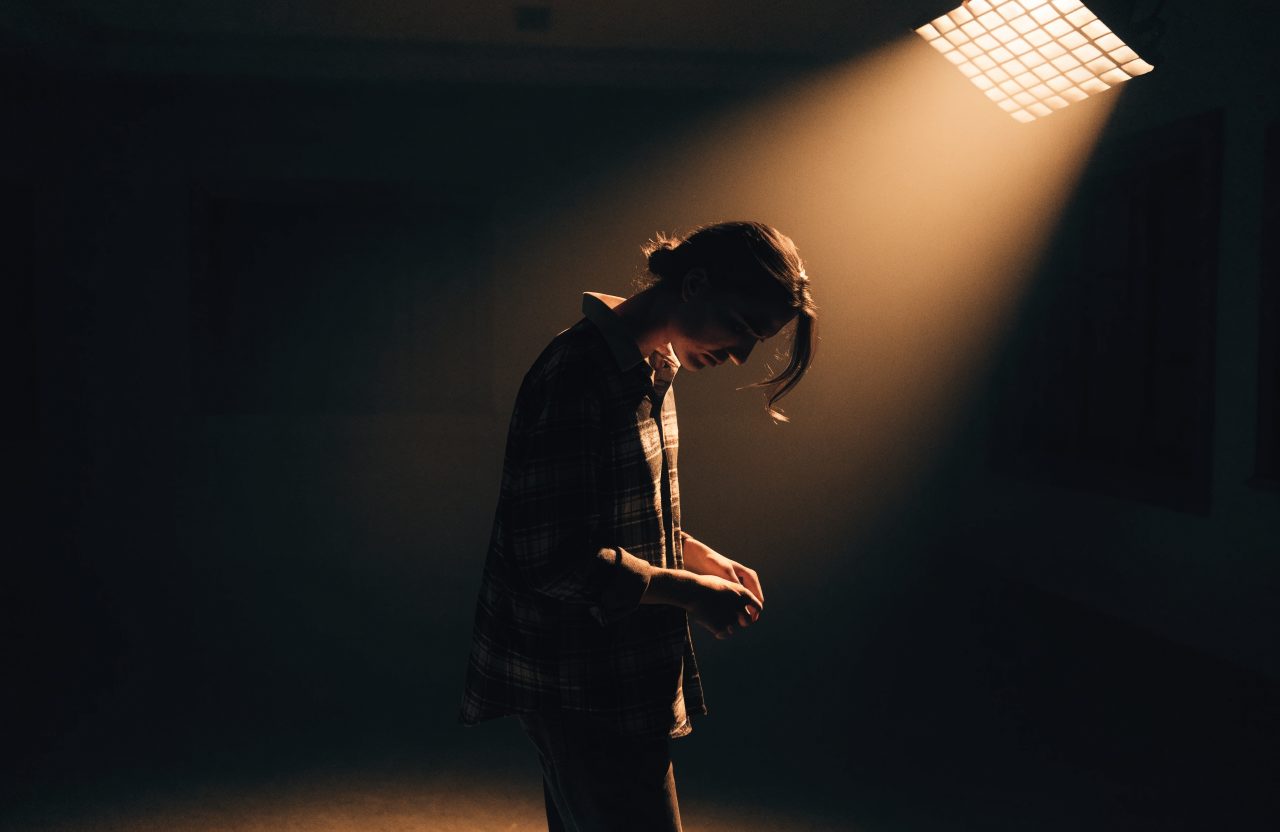
A dominant key and almost no fill, rationing information so the frame feels hushed, confidential and possibly armed.
What it does
Low-key lighting lets the key dominate and the fill almost vanish, so the frame is mostly shadow with islands of information. Emotionally it is hush, threat, and confidentiality: someone could be standing in the black and we would not know. It is the engine of crime cinema and of any drama that treats knowledge as a rationed good. Darius Khondji's Seven is low-key as spiritual weather, the silver-retention grade thickening the dark. Greig Fraser's The Batman pushes Gotham into low-key sodium and rain until the city is a cave. Deakins's interiors in No Country for Old Men often sit here without announcing noir as a costume. Use it for mystery, violence after the fact, and whispered bargains. Do not use it for ensemble comedy, for product detail, or for a character whose empathy depends on micro-expression in both eyes.
The prompt
Replace [Subject] with what you are shooting. Everything else is deliberate: the gear, stock and lighting are what push a generator towards this look.
Works well in
Midjourney, Kling, Runway Gen-3
Pairs with
The Prompt Atlas
Every prompt here is a starting point. The Prompt Atlas is the full system: hundreds of production-ready prompts organised by outcome, with the reasoning behind each one so you can adapt rather than copy.