
Low-Angle Hero Framing
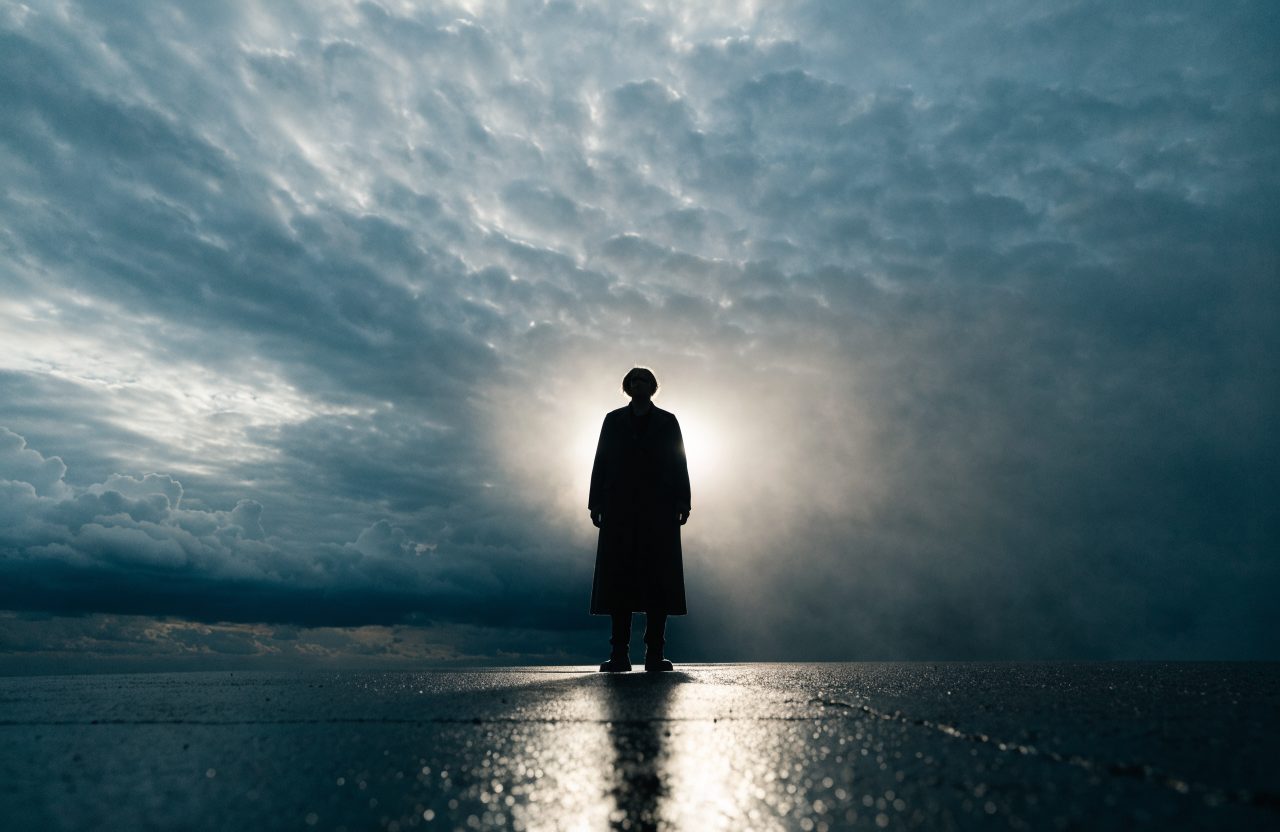
Tilting the camera upwards from a low vantage point to grant the subject physical dominance, mythic stature, or towering intimidation.
What it does
Low-angle hero framing places the camera well below the subject's eye level, tilting upward to capture them towering against ceilings, architecture, or sky. This perspective psychologically elevates the character, projecting immense authority, physical dominance, moral superiority, or terrifying intimidation. By forcing the viewer to look up, it subverts egalitarian framing and asserts the subject's command over the narrative space. Gregg Toland cut through studio floorboards in Orson Welles' Citizen Kane to achieve radical low angles that made Kane look like a looming titan crushing his surroundings. Greig Fraser employed low-angle framing brilliantly in Matt Reeves' The Batman, rendering the Caped Crusader an unyielding, mythic figure of nocturnal vengeance. When not to use it: Avoid low angles when depicting deep human frailty, pathetic vulnerability, or victimisation, as the upward optical angle inadvertently imbues the subject with stubborn strength and emotional resilience.
The prompt
Replace [Subject] with what you are shooting. Everything else is deliberate: the gear, stock and lighting are what push a generator towards this look.
Works well in
Midjourney v6.1, Flux Schnell, Runway Gen-3
Pairs with
Short Side FramingChiaroscuro Silhouette
The Prompt Atlas
Every prompt here is a starting point. The Prompt Atlas is the full system: hundreds of production-ready prompts organised by outcome, with the reasoning behind each one so you can adapt rather than copy.