
Extreme Close-Up
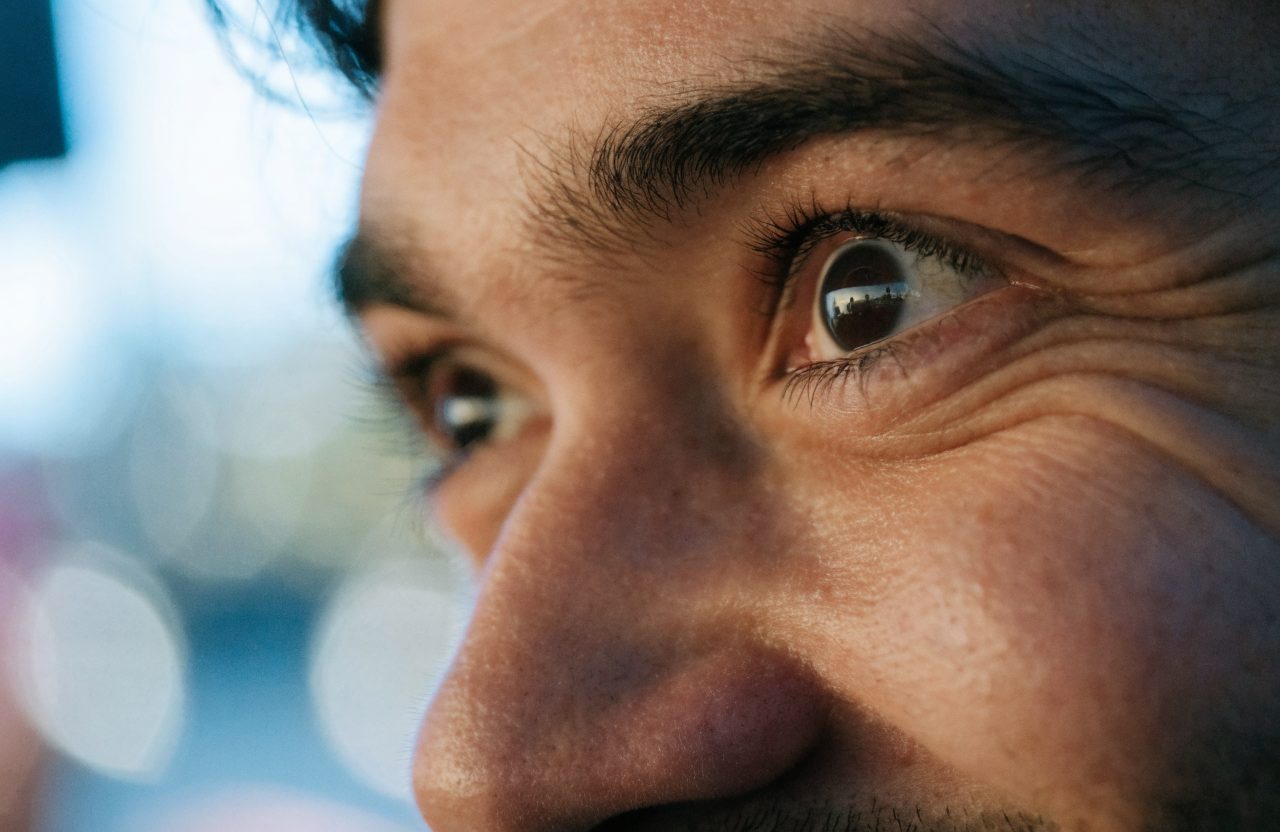
Isolate a fragment of a face or object to magnify a decisive detail beyond ordinary attention.
What it does
An extreme close-up isolates a fragment rather than presenting the whole face or object. An eye, fingertip or mouth becomes a landscape of evidence, increasing both attention and interpretive pressure. Tonino Delli Colli’s photography in The Good, the Bad and the Ugly makes eyes and small bodily preparations part of the duel’s escalating rhythm. In Psycho, John L. Russell’s photography turns the eye and other isolated details into disturbing anchors within the shower sequence and its aftermath. The framing can communicate obsession, bodily vulnerability or the arrival of information that changes a scene. It is a scale of framing, not a synonym for macro photography: some extreme close-ups require no true macro lens. Avoid it when the detail has no narrative consequence, or when repeated fragments make the viewer lose essential geography and human connection.
The prompt
Replace [Subject] with what you are shooting. Everything else is deliberate: the gear, stock and lighting are what push a generator towards this look.
Works well in
Midjourney, FLUX, Kling
Pairs with
Rack FocusMacro Cinematography
The Prompt Atlas
Every prompt here is a starting point. The Prompt Atlas is the full system: hundreds of production-ready prompts organised by outcome, with the reasoning behind each one so you can adapt rather than copy.